

Estimated reading time: 8 minutes
Key Takeaways
- Herbal supplements like turmeric, ginger, and cannabis oil may offer supportive benefits but are not cancer cures
- Medical supervision is essential before starting any supplement during cancer treatment
- Turmeric and ginger show promising anti-inflammatory and anti-nausea properties
- CBD oil may help manage chemotherapy side effects like pain and nausea
- Quality control and third-party testing are crucial when selecting supplements
- Supplements can interact with chemotherapy drugs, affecting their efficacy or safety
Table of contents
- Why Consider Herbal Supplements in Pancreatic Cancer Care?
- Turmeric and Cancer Treatment
- Ginger and Cancer Treatment
- Cannabis Oil for Pancreatic Cancer
- CBD and Chemo Side Effects
- Best Practices for Safely Using Herbal Supplements
- NPCF Resources & Support
- Conclusion & Next Steps
- Frequently Asked Questions
Herbal supplements are increasingly considered by those navigating pancreatic cancer care. Derived from plants like turmeric, ginger, and cannabis, these products are often used to help manage symptoms, support well-being, or complement conventional therapies.
This interest frequently arises from a desire to actively participate in one’s healing process, alleviate treatment side effects, and improve daily quality of life. It is important, however, to approach these options with both hope and clarity.
Conventional treatments such as chemotherapy, radiation, and surgery remain the cornerstone of pancreatic cancer management. Herbal supplements should only serve as supportive companions to these protocols, not replacements.
Organizations like the National Pancreatic Cancer Foundation (NPCF) emphasize evidence-based care and patient safety, advising that any supplement use be discussed with a healthcare provider before initiation. It is also worth noting that, as Cancer Research UK states, there is currently not enough reliable scientific evidence to support herbal medicine as a primary cancer treatment. The field of integrative oncology seeks to bridge this gap.
Why Consider Herbal Supplements in Pancreatic Cancer Care?
Patients often turn to herbal supplements to address specific challenges that accompany pancreatic cancer and its treatment. These natural compounds may offer anti-inflammatory, antioxidant, or symptom-relieving properties that support conventional care.
Common motivations include:
- Alleviating nausea
- Reducing pain
- Combating inflammation
- Improving overall comfort during treatment
Early research, primarily in preclinical models, suggests that certain plant-derived compounds can influence cancer cell behavior and inflammation pathways. However, these findings have not yet been consistently replicated in large human trials. The field of integrative oncology seeks to bridge this gap by thoughtfully combining conventional and complementary approaches to support the whole person.
Crucially, some supplements can interact with chemotherapy drugs, potentially reducing their efficacy or amplifying side effects. Therefore, open dialogue with an oncologist or pharmacist is non-negotiable.
Turmeric and Cancer Treatment
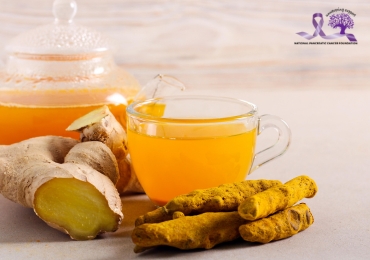
Turmeric, and its active component curcumin, has long been used in traditional medicine for its anti-inflammatory properties. Modern research is exploring its potential role in cancer care, including pancreatic cancer.
Laboratory and early clinical studies indicate that curcumin may enhance the effectiveness of some chemotherapy drugs and even help lower required dosages. This is particularly relevant for improving patient tolerance to treatment.
Turmeric is commonly consumed in powdered form, added to food, or taken as a standardized extract. To improve absorption, it is often paired with black pepper, which contains piperine.
Doses in studies typically range from 500 mg to 2000 mg daily, though any dosage should be determined with medical guidance. While generally safe, turmeric can cause digestive discomfort or interact with blood-thinning medications. Those with gallbladder issues should also use caution.
Ginger and Cancer Treatment
Ginger is another root with a strong historical record for soothing digestive issues. Its active compounds, gingerols and shogaols, are now being studied for both their anti-nausea and potential anti-cancer properties.
Its effectiveness in reducing chemotherapy-induced nausea is well-supported by research. Many cancer centers now include ginger in their supportive care guidelines.
Evidence for ginger directly fighting pancreatic cancer remains preliminary, based mainly on laboratory studies. Its primary validated benefit for patients is symptom management.
Ginger can be consumed fresh, as a tea, or in capsule form. Doses between 0.5 and 2 grams per day are commonly used for nausea. Patients on anticoagulants should use ginger cautiously, as it may increase bleeding risk. Those with ulcers or gallstones should also avoid high doses.
Cannabis Oil for Pancreatic Cancer
Cannabis oil is a broad term that requires clarification. Full-spectrum cannabis oil contains multiple cannabinoids, including THC, which has psychoactive properties. CBD oil, on the other hand, is derived from cannabidiol and does not produce a high.
Research into cannabinoids for pancreatic cancer is still in early stages. While laboratory studies show these compounds can influence cancer cell growth, human clinical trials are lacking. Currently, there is no conclusive evidence that cannabis oil can treat pancreatic cancer.
However, many patients report benefits in symptom management, including relief from pain, nausea, anxiety, and loss of appetite. These palliative benefits can significantly improve quality of life.
Legal status of cannabis products varies widely. Quality is another critical concern; only third-party tested products from reputable sources should be considered. Dosing should be approached carefully, starting with very low amounts and increasing gradually under supervision.
CBD and Chemo Side Effects
CBD is being studied for its potential to mitigate common chemotherapy side effects, such as nausea, nerve pain, anxiety, and sleep disturbances.
While some clinical and anecdotal reports are promising, large-scale studies specific to pancreatic cancer are still needed. Most evidence comes from smaller trials or research on other cancer types.
CBD is available in oils, capsules, and topical creams. Dosing is highly individual, typically ranging from 5 mg to 50 mg daily. Medical guidance is essential, as CBD can interact with certain chemotherapy drugs and other medications.
It is important to maintain realistic expectations. CBD may improve comfort during treatment, but it is not a substitute for proven anti-cancer therapies.
Best Practices for Safely Using Herbal Supplements
Integrating supplements safely requires a mindful and structured approach.
Begin by having a thorough conversation with your oncology team. Disclose all supplements you are considering, including names, doses, and reasons for use. This allows your providers to screen for potential interactions with your treatment plan.
Choose high-quality products from reputable manufacturers. Look for third-party verification from organizations like:
- USP
- NSF International
- ConsumerLab
These organizations test for purity and accurate labeling.
Start with the lowest possible dose and monitor your body’s response closely. Keep a detailed journal tracking what you take, when, and any effects you notice, positive or negative. This record can be invaluable for your medical team.
Remember that supplements are not regulated with the same rigor as pharmaceuticals. Professional oversight is your best safeguard.
NPCF Resources & Support
The National Pancreatic Cancer Foundation offers a wealth of resources for patients and families interested in integrative approaches. Their materials are designed to translate complex research into practical, understandable information.
Services include:
- Educational guides on supplements
- Updated research summaries
- Personalized patient navigation to help individuals make informed decisions
- Support group connections
- Educational webinars led by experts
- Clinical trial matching for patients interested in participating in research
For those facing financial barriers, assistance programs may help cover certain costs. All NPCF resources are built on a foundation of evidence-based care and patient safety.
Conclusion & Next Steps
Herbal supplements may offer supportive benefits for individuals managing pancreatic cancer, but they must be approached with careful consideration.
Turmeric and ginger show promise in reducing inflammation and treatment-related nausea, though human data remains limited. Cannabis and CBD may help alleviate certain symptoms and improve quality of life, but are not proven treatments for the cancer itself.
Safety comes first. Any supplement use should be openly discussed with and monitored by your healthcare team. Quality, dosing, and potential interactions require diligent attention.
Next steps include:
- Consulting your oncologist
- Researching reputable sources
- Reaching out to organizations like NPCF for guidance
Continued research may further illuminate the role of these compounds in cancer care, but for now, a cautious, informed approach is wisest.
Frequently Asked Questions
Can herbal supplements cure pancreatic cancer?
No. There is no evidence that herbal supplements can cure cancer. They should only be used as complementary support alongside conventional treatment.
Is it safe to take turmeric during chemotherapy?
It can be for some people, but medical supervision is essential. Turmeric may interact with certain chemo drugs and blood thinners.
How much ginger is helpful for nausea?
Doses between 0.5–2 grams per day are commonly used. Work with your care team to determine a safe and effective amount for you.
What is the difference between cannabis oil and CBD oil?
Cannabis oil contains THC and may produce a high; CBD oil contains cannabidiol only and does not have psychoactive effects.
Can CBD interfere with cancer medications?
Yes. CBD can affect liver enzymes that metabolize many drugs, including chemotherapy. Physician monitoring is important.
How do I find high-quality supplements?
Choose products verified by independent third-party testers such as USP, NSF, or ConsumerLab, and discuss options with your pharmacist or doctor.