
Estimated reading time: 8 minutes
Key Takeaways
- World Pancreatic Cancer Day is observed annually on the third Thursday of November, uniting global efforts against this devastating disease.
- Awareness walks like PurpleStride provide powerful platforms for community building, fundraising, and visibility.
- The NPCF leads targeted advocacy campaigns that influence policy and secure critical research funding.
- Nonprofit lobbying operates within specific legal frameworks that allow mission-driven advocacy while maintaining compliance.
- Your participation creates a ripple effect that strengthens the entire movement against pancreatic cancer.
Table of contents
Pancreatic cancer presents a formidable challenge, with survival rates that have seen little improvement for decades, largely due to late-stage diagnosis. World Pancreatic Cancer Day, observed each November, emerges as a critical global response to this reality. It is a day dedicated to shifting these statistics through awareness, advocacy, and community action.
Led by coalitions like the National Pancreatic Cancer Foundation (NPCF), this movement coordinates events across six continents. From awareness walks that paint cities purple to targeted advocacy campaigns pushing for policy reform, these efforts create a unified front. This guide outlines how you can contribute effectively, whether by walking in solidarity, amplifying advocacy voices, or understanding the framework that allows nonprofits to lobby for change.
Understanding World Pancreatic Cancer Day Campaigns
World Pancreatic Cancer Day is an annual observance held on the third Thursday of November, uniting over 60 organizations worldwide. The mission is clear: to reverse the tide against a disease known for its stealth and severity. By focusing global attention on pancreatic cancer, the campaign seeks to educate the public about symptoms, fund critical research, and build a supportive network for patients and families. When is Pancreatic Cancer Awareness Month?
The symbol of the purple ribbon serves as a beacon of solidarity, adorning landmarks and communities each year. The campaign’s strength lies in its measurable, growing impact. Social media movements generate millions of impressions, while illuminated buildings and local events spark essential conversations. This visibility is vital, considering the nearly half a million people diagnosed with pancreatic cancer globally each year.
The NPCF plays a pivotal role, driving initiatives that range from local educational forums to international research grants. These coordinated World Pancreatic Cancer Day efforts create a foundation for sustained progress, turning a single day of action into a year-round commitment.
The Power of Pancreatic Cancer Awareness Walks
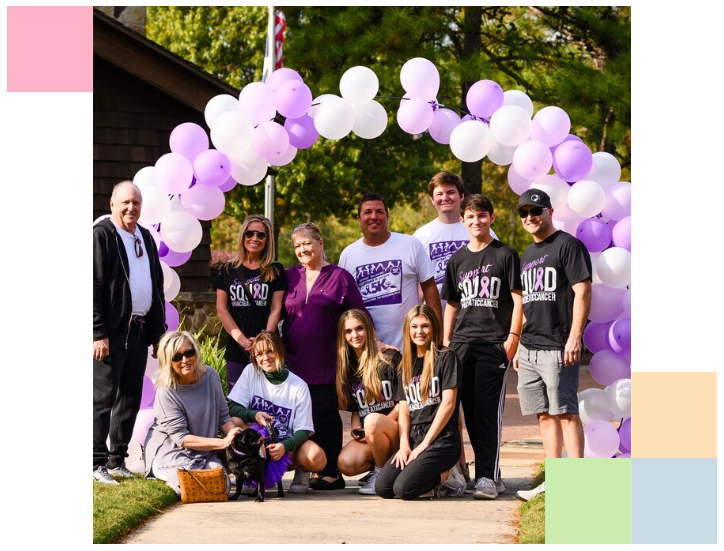
Awareness walks serve as a physical manifestation of the fight against pancreatic cancer. They are events where solidarity becomes visible, communities connect, and fundraising translates directly into research dollars. For a disease where early detection is often the difference between life and death, these gatherings amplify a life-saving message.
Major organizations facilitate walks throughout the year. PanCAN’s PurpleStride events, for example, are held nationally, with both in-person and virtual options to ensure widespread participation. Around World Pancreatic Cancer Day itself, local communities often organize their own walks and memorial ceremonies. Support Pancreatic Cancer Patients Through Fundraisers
To maximize your impact, consider forming a team. Sharing your personal connection to the cause can motivate friends, family, and colleagues to join and donate. Before the event, create a personal fundraising page with a compelling story and photos. On the day of the walk, wearing purple and following event guidelines ensures a safe, powerful experience for all.
“Participants often describe these events as profound, citing the sense of shared purpose and renewed hope that comes from seeing a community united in color and cause.”
Making an Impact Through NPCF Advocacy
While awareness is crucial, systemic change requires advocacy. NPCF campaigns focus on influencing policy to secure research funding, improve patient access to care, and champion legislation that addresses the unique challenges of pancreatic cancer. These efforts acknowledge that scientific breakthroughs must be supported by a policy environment that facilitates their reach. How to Advocate for Cancer Patients
The advocacy goals are specific. They include:
- Lobbying for sustained federal funding for research, a critical need given the slow progress in survival rates
- Working to remove barriers that prevent patients from accessing clinical trials and cutting-edge treatments
- Promoting legislation that improves screening programs and early detection initiatives
These campaigns have already achieved significant victories. Through broad coalitions, advocates have helped protect federal research budgets from cuts and have successfully pushed for state-level policies that improve insurance coverage and screening programs. Bills Supporting Pancreatic Cancer Research
Your voice is a powerful tool in this effort. You can participate by:
- Signing pre-written petitions to legislators, adding your personal story to make a more compelling case
- Sharing infographics and educational content on social media using hashtags like #WPCD
- Utilizing advocacy toolkits with sample posts, talking points, and graphics provided by organizations
It is the collective power of individual stories that often persuades policymakers, turning personal experience into political momentum.
Navigating Nonprofit Lobbying Rules for Cancer Advocacy
For organizations like the NPCF, which operate as 501(c)(3) nonprofits, advocacy work must be conducted within a specific legal framework. Understanding these rules ensures that your support and the organization’s efforts remain both powerful and compliant.
The law permits 501(c)(3) organizations to engage in a limited amount of lobbying. This is often measured by the “insubstantial part” test, which generally allows up to 20 percent of an organization’s activities and budget to be dedicated to influencing legislation. This framework acknowledges that advocating for policy change is often integral to fulfilling a nonprofit’s mission.
Permissible activities are clearly defined:
- Educating the public and policymakers about pancreatic cancer issues
- Mobilizing grassroots support, encouraging constituents to contact their representatives about specific bills or funding requests
- Advocating for increased federal research grants
However, clear boundaries exist:
- Nonprofits cannot endorse or oppose political candidates
- They must avoid partisan activities
- Electioneering cannot be a substantial part of their work
The NPCF maintains compliance by focusing strictly on nonpartisan, mission-driven policy goals, such as research funding, and by meticulously tracking relevant activities.
Your Step-by-Step Plan for Engagement
The most impactful approach combines multiple forms of engagement. Your participation creates a ripple effect, strengthening the entire movement.
1. Commit to an Awareness Walk
Begin by registering for an event like PurpleStride or a local World Pancreatic Cancer Day walk. Your presence contributes to both fundraising and community visibility. When is Pancreatic Cancer Awareness Month?
2. Amplify Advocacy Efforts
Visit the advocacy sections of organization websites to sign petitions and contact your legislators. Use social media to share credible information and encourage others to do the same. How to Advocate for Cancer Patients
3. Volunteer Your Skills
Opportunities extend beyond events. Organizations need help with social media, policy research, and administrative support. Your professional skills can be a significant asset. Volunteer with NPCF
4. Provide Financial Support
Consider making a one-time or recurring donation to support research and program operations. Planned giving is another powerful way to create a lasting impact. Ways to Donate
Key Dates for Your Calendar:
- PurpleStride 2026: April 25, 2026. Visit the PanCAN website to find a walk near you or register for virtual participation.
- World Pancreatic Cancer Day 2026: November 19, 2026. Check coalition partner websites for local events, light-up ceremonies, and educational forums.
By taking these coordinated steps, you ensure your involvement in World Pancreatic Cancer Day campaigns is both meaningful and effective.
Conclusion: Your Role in the Fight
World Pancreatic Cancer Day is more than a date on the calendar; it is a global demonstration of resolve. The collective action of individuals participating in walks, supporting advocacy, and volunteering their time creates the momentum needed to change the trajectory of pancreatic cancer.
The need for action is urgent. Every participant in an awareness walk adds to the chorus demanding progress. Every advocate who contacts a legislator helps build the political will for increased funding. Your engagement matters.
Begin today. Register for a walk, sign a petition, or share a resource. Together, we can transform awareness into action and action into hope.
Frequently Asked Questions
When is World Pancreatic Cancer Day?
World Pancreatic Cancer Day is observed annually on the third Thursday of November. In 2026, this falls on November 19.
How can I volunteer for an NPCF advocacy campaign?
Visit the websites of the NPCF and its partner organizations. They offer online forms to sign up for various roles, from event support to social media ambassadorship.
How do I find a pancreatic cancer awareness walk?
Major events like PurpleStride are listed on organizer websites such as PanCAN.org. For walks tied to World Pancreatic Cancer Day, check the sites of coalition partners for local events.
What are the lobbying rules for cancer nonprofits?
501(c)(3) organizations can conduct a limited amount of lobbying, such as educating on issues and grassroots advocacy, but cannot endorse political candidates or engage in partisan politics.
What kinds of volunteer roles are available?
Opportunities include event logistics, social media content creation, community outreach, policy research, and fundraising assistance.